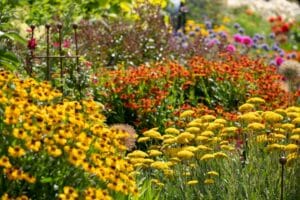
Shrubs can provide structure, color, privacy, and year-round interest in almost any landscape. From flowering varieties that brighten a garden to evergreen shrubs that maintain their foliage through winter, the right plants can transform an outdoor space. However, choosing shrubs based only on appearance can lead to problems if their growing requirements don’t match your property.
When selecting shrubs for landscaping, consider your site’s climate, sunlight, soil, available space, and long-term maintenance needs. Taking these factors into account before planting can help your shrubs establish stronger roots and remain attractive for years.
If you’re looking for shrubs in Salt Lake City that gardeners can use in a variety of landscape settings, J&J Nursery and Garden Center can help you explore options suited to local growing conditions.
Start With Your Landscape Conditions
The best shrub for one area of your yard may not be appropriate for another. Begin by evaluating the conditions where you plan to plant.
Climate
Choose shrubs that can tolerate the temperatures and seasonal conditions common in your area. Plants suited to the local climate are generally better equipped to handle temperature fluctuations and seasonal weather.
Sunlight
Pay attention to how much direct sunlight the planting area receives throughout the day. Some shrubs thrive in full sun, while others perform better with partial shade.
Observe the area before purchasing plants, especially if nearby buildings, fences, or mature trees create changing shade patterns throughout the day.
Soil
Soil conditions can also influence shrub health. Consider whether the area has heavy clay, sandy soil, poor drainage, or compacted ground. Preparing the soil appropriately before planting can give shrubs a much better start.
J&J Nursery and Garden Center can help you identify shrubs that fit your landscape conditions and provide guidance on planting and care.
Think About Mature Size
One of the most common landscaping mistakes is choosing a shrub based on its size at the garden center rather than its mature dimensions.
A small shrub can eventually become several feet wider or taller. If plants are installed too close together, they may become overcrowded and compete for sunlight, water, and nutrients.
Before planting, consider:
- Mature height
- Mature width
- Growth rate
- Rooting characteristics
- Distance from structures
- Spacing between plants
Planning for mature size also reduces the need for excessive pruning later. Give each shrub enough room to develop its natural shape while maintaining adequate airflow around the foliage.
Use Shrubs to Add Structure and Privacy
Shrubs can serve practical purposes in addition to improving curb appeal. Evergreen varieties can provide year-round screening, while taller deciduous shrubs can create seasonal privacy and visual separation.
Medium-sized shrubs can help define garden beds, frame walkways, or soften the appearance of hardscape features. Low-growing varieties can work well along borders and pathways.
Think about how the shrub will function within the entire landscape rather than viewing it as an isolated plant. A well-placed shrub can connect different areas of the yard and create a more cohesive design.
Add Flowering Climbers for Pollinator Interest
Shrubs don’t have to be the only plants contributing color and habitat. Pairing them with flowering climbers can add another dimension to your landscape.
Flowering vines grown along trellises, fences, pergolas, or arbors can attract bees and butterflies while adding vertical interest. Combining these climbers with shrubs creates a layered planting design with flowers at different heights.
For example, a flowering shrub can provide a foundation at ground level while a nearby trellis supports a climbing plant above it. This approach makes better use of vertical space and can create a more dynamic garden environment.
When choosing flowering plants, consider varieties with different bloom periods so pollinators have access to nectar throughout more of the growing season.
Prepare the Planting Area Properly
Good planting practices are essential for long-term shrub health. Before placing a shrub in the ground, remove weeds and loosen compacted soil. Depending on your soil conditions, incorporating appropriate organic matter may help improve the planting environment.
Dig a planting hole that provides enough room for the root system without placing the plant too deeply. The top of the root ball should generally remain at an appropriate level relative to the surrounding soil.
After planting, water thoroughly to help settle the soil around the roots. Applying a layer of mulch around the base can help conserve moisture and reduce weed competition, but keep mulch away from direct contact with the trunk or stems.
Maintain Shrubs Throughout the Year
Even low-maintenance shrubs benefit from regular care. Once plants are established, monitor them throughout the growing season and address problems before they become severe.
Pruning
Prune shrubs according to their growth habits and flowering schedules. Removing dead, damaged, or crossing branches can improve appearance and airflow. Avoid excessive shearing unless the shrub is specifically suited to that style of pruning.
Fertilizing
Some shrubs may benefit from periodic fertilization, particularly when soil nutrients are limited. However, fertilizer needs vary by plant. Follow recommendations for the specific shrub rather than applying more fertilizer than necessary.
Pest Monitoring
Inspect leaves, stems, and new growth regularly for signs of insects or disease. Early identification makes it easier to address problems and protect surrounding plants.
Consistent maintenance helps shrubs remain vigorous without requiring drastic corrective work later.
Create a Balanced Landscape
The best shrub selections work together with the rest of your landscape. Combine different foliage colors, textures, heights, and seasonal characteristics to keep the yard visually interesting.
Evergreens can provide structure during winter, flowering shrubs can add seasonal color, and smaller varieties can fill gaps between larger plants. Adding perennials and flowering climbers can further expand the range of colors and textures throughout the garden.
Consider repeating certain shrub varieties in multiple areas to create visual consistency. Repetition can make a landscape feel intentional while helping different garden beds relate to one another.
Get Expert Help With Your Shrub Selection
Choosing shrubs doesn’t have to be a guessing game. By considering climate, sunlight, soil, mature size, spacing, and maintenance requirements, you can select plants that are more likely to thrive in their intended location.
J&J Nursery and Garden Center offers a selection of shrubs along with gardening knowledge to help homeowners make informed planting decisions. Whether you’re creating a privacy screen, adding structure to a flower bed, or designing a layered landscape with pollinator-friendly plants, choosing the right shrubs from the beginning can give your yard lasting beauty and function.