Healthy trees can become one of the most valuable features in a residential or commercial landscape. They provide shade, privacy, seasonal interest, wildlife habitat, and long-term structure. But producing a strong landscape tree takes more than simply growing a seedling and waiting for it to become large enough for sale.
Professional tree farms for landscaping trees use careful growing practices to help trees develop strong roots, healthy branches, and the resilience needed to transition into a landscape. Understanding how these trees are cultivated can help homeowners make more informed decisions when selecting plants for their properties.
For homeowners searching for reliable tree nurseries in Salt Lake City gardeners can turn to, J&J Nursery and Garden Center offers access to trees and gardening expertise designed to help customers choose plants appropriate for their landscape needs.
Trees Are Grown for Local Conditions
One important advantage of locally grown trees is that they can become acclimatized to regional growing conditions before they reach a customer’s landscape.
Trees experience temperature changes, sunlight, soil conditions, and seasonal weather throughout their development. Growing trees in conditions similar to those where they will eventually be planted can help them transition more successfully after purchase.
Local growing practices can be especially valuable when selecting larger landscape trees. Rather than choosing a tree based only on its appearance, homeowners can consider whether the species is appropriate for the climate, available space, and conditions on their property.
Proper Spacing Encourages Strong Root Systems
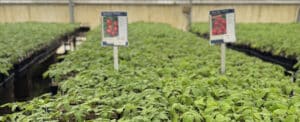
Tree farms need to give growing trees adequate space. Crowding plants too closely can create competition for sunlight, water, and nutrients while also limiting healthy airflow around foliage.
Proper spacing gives each tree room to develop its canopy and root system. As trees mature, growers can monitor their development and make adjustments when necessary.
Healthy root systems are particularly important for trees that will eventually be transplanted into residential or commercial landscapes. Strong roots provide stability while helping the tree absorb water and nutrients.
When choosing a tree for your property, consider its mature height and spread rather than focusing only on its size at the nursery. Giving a tree sufficient room after planting can reduce future conflicts with buildings, sidewalks, utility lines, and other plants.
Soil Nutrition Supports Healthy Growth
Trees need access to essential nutrients throughout their development. Tree farms carefully manage growing conditions to provide the soil support plants need as they mature.
Healthy soil contributes to:
- Strong root development
- Consistent foliage growth
- Better overall plant vigor
- Improved establishment after planting
- Greater resilience to environmental stress
Soil management may include monitoring nutrient levels, maintaining appropriate moisture, and incorporating organic matter or other amendments when needed.
This attention to growing conditions helps produce trees that are better prepared for the transition from the nursery to a permanent landscape.
Pruning Helps Develop Strong Structure
Pruning is another important part of growing quality landscaping trees. Young trees can be selectively pruned to encourage healthy branching patterns and remove damaged, weak, or poorly positioned growth.
Regular pruning isn’t simply about making a tree look attractive. Proper structural development can help create stronger trees as they mature.
Tree growers may also remove competing branches or growth that could negatively affect the tree’s long-term form. Starting this process while trees are young can make future maintenance easier.
Homeowners should continue appropriate pruning after planting, but the amount and timing depend on the tree species and its growth habits.
Fertilization and Pest Monitoring Protect Tree Health
Trees require more than water and sunlight to thrive. Professional growers monitor their plants for signs of nutrient deficiencies, insects, and diseases.
Fertilization can provide nutrients when soil conditions indicate they’re needed. Applying the right amount at the appropriate time supports healthy growth without encouraging unnecessary or excessive development.
Pest monitoring is equally important. Regular inspections allow growers to identify potential problems early and take appropriate action before damage becomes widespread.
These practices help maintain healthy nursery stock and give trees a stronger foundation before they are sold for landscaping.
Choose Trees Based on Your Landscape
A healthy tree still needs the right location to perform well. Before purchasing a tree, consider the amount of sunlight available, soil conditions, irrigation, and the amount of space available for mature growth.
Also think about the purpose of the tree. Shade trees can provide cooling and create comfortable outdoor spaces, while ornamental varieties may be selected primarily for flowers, foliage, or seasonal interest.
A well-planned landscape can combine several types of trees and plants to create a more diverse environment.
Combine Trees With Pollinator-Friendly Plants
Trees don’t have to stand alone in a landscape. Combining shade trees with flowering plants and pollinator-friendly vines can create multiple layers of vegetation.
Vines grown on suitable trellises, pergolas, or other structures can add vertical interest around areas containing larger trees. Flowering plants can also provide nectar and habitat for bees, butterflies, and other beneficial wildlife.
Using different plant heights and forms creates a more diverse landscape while making better use of available space.
Give Your Landscape a Strong Foundation
Healthy landscaping trees begin with thoughtful growing practices. Local acclimatization, proper spacing, nutrient management, pruning, and pest monitoring all contribute to stronger nursery trees that are prepared for life in a permanent landscape.
When selecting trees, work with a knowledgeable nursery that can help you consider species, mature size, growing conditions, and placement. J&J Nursery and Garden Center offers a range of trees and nursery plants while helping customers make selections suited to their landscaping goals. Choosing the right tree and providing it with proper care from planting onward can create lasting shade, beauty, and structure for years to come.