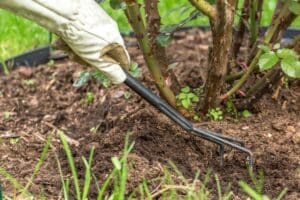
That beautiful shrub you planted a few years ago might look a little wild right now. Shrubs naturally expand over time, often outgrowing their original space or turning into dense, tangled messes. When a plant loses its neat appearance or stops producing healthy leaves and flowers, it needs a reset.
Many homeowners worry that cutting back a large bush will ruin its natural shape or even kill the plant. Fortunately, you can rejuvenate shrubs safely with a few strategic cuts. By understanding the plant’s growth habits and using the right techniques, you can restore its vigor and appearance. If you live near Layton, UT, the experts at J&J Nursery and Garden Center are here to help you get your landscape back on track.
Timing is Everything: When to Prune
Pruning at the wrong time of year can stress your plants or ruin their blooming cycle. For most deciduous shrubs, the best time for heavy pruning is late winter or early spring.
During this time, the plant is completely dormant. Because the leaves have fallen, you can easily see the underlying branch structure. Cutting before the spring growth flush ensures the shrub can direct all its new energy into healing and producing fresh shoots. Avoid pruning in late summer or fall, as this encourages new growth that will likely die off during freezing Utah winters.
Essential Tools and Safety Tips
Using the right equipment makes the job easier and keeps your plants healthy. Dull blades crush plant tissue, leading to disease. Before you start cutting, gather the following supplies:
- Bypass Pruners: For cutting small twigs and branches up to half an inch thick.
- Loppers: For medium branches up to two inches in diameter.
- Pruning Saw: For removing thick, woody stems at the base.
- Safety Gear: Thick gardening gloves and protective eyewear.
Always clean your cutting tools with rubbing alcohol between bushes. This prevents the spread of diseases from one plant to another.
Step-by-Step Pruning Techniques
There are two main ways to rejuvenate shrubs: hard pruning (cutting the whole plant down to the ground) and gradual rejuvenation. Gradual rejuvenation is usually the safest method to maintain the plant’s form while encouraging fresh growth.
Step 1: Remove the Problem Branches
Start by cutting out any dead, diseased, or damaged wood. Next, look for branches that rub against each other. Friction creates wounds where pests and diseases can enter. Remove the weaker of the two crossing branches.
Step 2: Apply the One-Third Rule
Instead of chopping the top off the shrub—which creates an ugly, unnatural shape—thin the plant from the base. Identify the oldest, thickest stems. Use your loppers or pruning saw to cut up to one-third of these old stems completely down to the ground. This opens up the center of the plant, allowing sunlight and air to reach the interior.
Step 3: Repeat Annually
In the second year, remove another third of the old growth. By the third year, cut out the remaining original old stems. Over this three-year period, the shrub will replace its old, woody base with healthy, vibrant new shoots, completely renewing itself without ever looking like a bare stump.
Step 4: Step Back and Assess
While you are cutting, frequently step back to look at the overall shape. Follow the natural arch or upright habit of the specific species you are working on.
Real-Yard Results: Before and After
To understand how powerful these techniques are, let’s look at a couple of common scenarios in Layton gardens.
The Overgrown Lilac
A local homeowner had a fifteen-foot lilac bush that only produced flowers at the very top. The bottom was a mass of bare, gray wood. By using the one-third rule over three seasons, they systematically removed the oldest trunks. After: The lilac is now a manageable eight feet tall, full of green leaves from top to bottom, and blooms heavily at eye level.
The Crowded Forsythia
Another customer had a sprawling forsythia that blocked a front window. Instead of shearing it into a square box, they thinned out the thickest interior branches down to the soil line. After: The shrub maintained its beautiful, weeping fountain shape but reduced its overall size significantly, letting natural light back into the house.
Bring Your Landscape Back to Life
Pruning can feel intimidating, but taking a systematic approach yields incredible results. When you rejuvenate shrubs using gradual thinning, you ensure your garden stays healthy and attractive for years to come.
If you need sharp new pruners, quality gardening gloves, or personalized advice on a specific unruly plant in your yard, stop by J&J Nursery and Garden Center in Layton, UT. Our nursery experts are always ready to help you make your garden thrive. Contact us today to learn more!